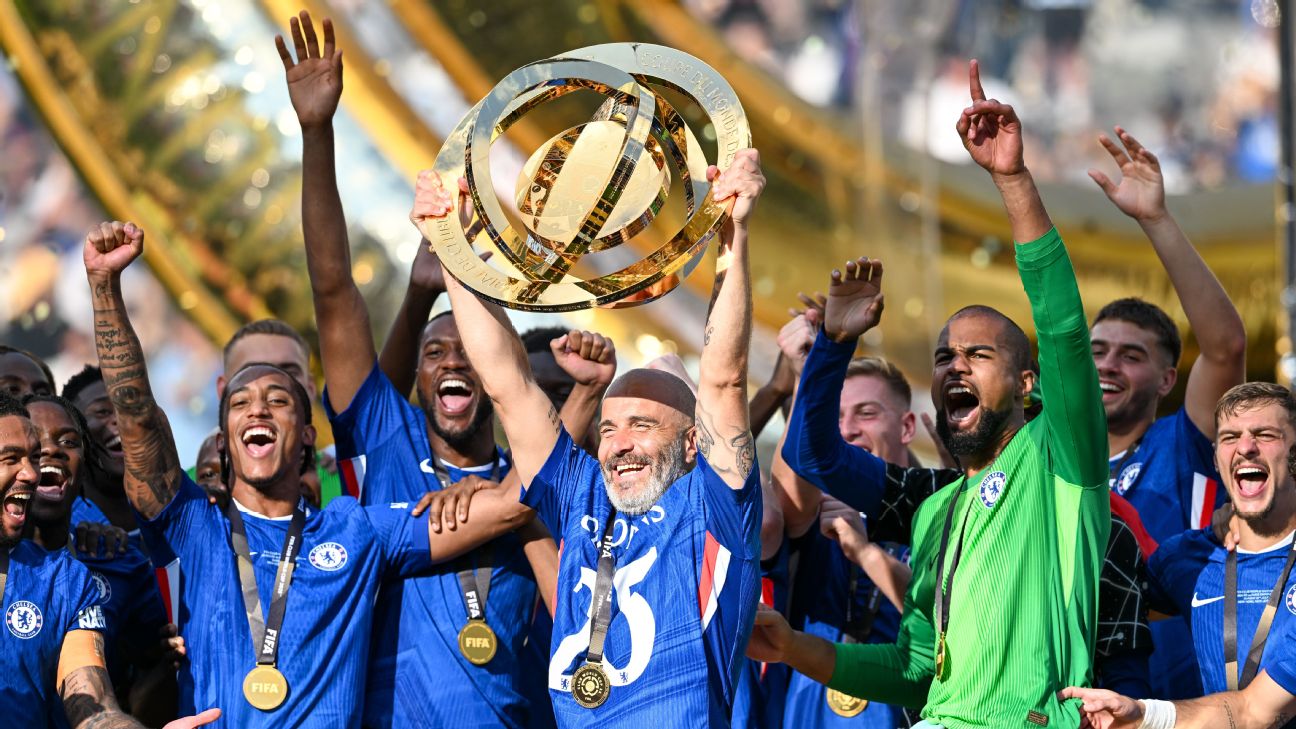
Modern football forces elite players into a constant balancing act between long club seasons and short international tournaments. For viewers, this tension becomes visible in fluctuating intensity, selective involvement, and shifting tactical roles across the calendar, especially when tracking performances week by week.
Why Energy Management Shapes On-Pitch Behavior
Players competing across multiple competitions cannot sustain maximum intensity in every match, which leads to deliberate pacing. This is not a lack of effort but a strategic distribution of physical output across a season.
During matches, this often appears as controlled pressing, reduced sprint frequency, and smarter positioning. Viewers who recognize this pattern can distinguish between fatigue and intentional conservation, particularly in periods leading up to major tournaments.
How Club Systems Demand Consistency
Club เว็บดูบอลสด goaldaddy rewards repeatable performance within structured systems, where tactical discipline and reliability are essential. Players are expected to execute specific roles over dozens of matches, which reinforces predictable patterns.
This consistency can limit expressive play but ensures stability. When watching club matches, you will often see players prioritizing positional responsibility over individual risk, especially in tightly organized teams.
What Changes as International Tournaments Approach
As the World Cup nears, subtle shifts emerge in player behavior. Some players reduce physical duels or avoid unnecessary risks to maintain fitness, while others maintain full intensity to secure selection.
These differences create uneven performance levels within the same match. Observing who accelerates into challenges and who hesitates can reveal underlying priorities tied to tournament preparation.
Watching Matches Live to Detect Performance Trade-Offs
When you follow ดูบอลสด, these trade-offs become clearer through tempo variation and involvement patterns. A player might dominate possession phases but avoid repeated high-intensity runs, or contribute heavily in build-up while limiting defensive transitions. These choices reflect an internal balance between immediate club demands and longer-term international goals.
By focusing on movement off the ball and reaction speed during transitions, viewers can identify when a player is operating below peak intensity by design rather than necessity.
Key Indicators of Load Management in Matches
Recognizing how players distribute effort requires attention to specific in-game behaviors that signal controlled output. These indicators often appear consistently over several matches rather than in isolated moments.
- Reduced pressing intensity in early phases of the match.
- Selective participation in counter-pressing situations.
- Increased reliance on positional play instead of physical duels.
- Shorter recovery runs after losing possession.
- Higher efficiency in fewer attacking actions.
These patterns indicate a calculated approach to energy use. When observed over time, they help explain why certain players appear less active but remain highly effective, particularly as major tournaments approach.
Comparing Output Across Different Phases of the Season
Performance data often reflects how players adjust their approach depending on timing within the football calendar.
| Season Phase | Avg xG Contribution | Distance Covered | Key Characteristic |
| Early season | 0.6 | High | Full intensity, aggressive play |
| Mid-season | 0.5 | Moderate | Balanced output |
| Pre-tournament phase | 0.4 | Lower | Energy conservation |
The decline in physical metrics does not necessarily indicate reduced quality. Instead, it highlights a shift toward efficiency. When watching matches during these phases, viewers should focus on decision-making speed and positional awareness rather than raw activity levels.
Where This Balance Can Fail
Managing energy across competitions is inherently risky. Players who reduce intensity too much may lose rhythm, while those who maintain high output risk fatigue or injury.
This imbalance becomes visible in inconsistent performances—strong in one match, passive in another. Viewers should watch for erratic involvement, which often signals difficulty in maintaining the optimal balance.
When Rhythm Is Lost Before the Tournament
In some cases, players enter major tournaments lacking match sharpness due to excessive conservation. This can result in slower reactions, poor timing, and reduced effectiveness despite being physically fresh.
How Tactical Roles Adjust to Protect Players
Coaches often modify systems to accommodate players managing their workload. This can include deeper positioning, reduced defensive duties, or structured possession phases that limit physical demands.
In matches, these adjustments appear as slower build-up play and increased spacing between lines. Viewers can identify these changes by tracking how often a player engages in high-intensity actions compared to earlier in the season.
Reading the Trade-Off as a Viewer
Understanding this balance requires shifting focus from effort to efficiency. Players are not simply choosing between club and country but navigating overlapping demands.
- Observe intensity during key moments rather than across the full match.
- Track involvement in transitions, where physical effort is most visible.
- Compare current performance to earlier matches in the season.
- Identify whether reduced activity leads to better or worse decision-making.
This approach allows viewers to interpret performances more accurately, recognizing strategic restraint rather than misjudging it as decline.
Summary
Balancing club consistency with World Cup preparation shapes how players manage intensity, positioning, and decision-making throughout the season. These choices become visible in reduced physical output, selective involvement, and tactical adjustments. By focusing on efficiency and timing rather than constant activity, viewers can better understand how players navigate competing demands and maintain performance across different contexts.