Teaching children about proper dental hygiene establishes habits that can last a lifetime and prevent serious oral health issues down the road. Many parents find themselves in daily battles, trying to make brushing and flossing engaging for their young ones who would rather do just about anything else. The good news? Understanding how to approach dental care education with creativity and consistency can transform this challenge into an opportunity for genuine bonding and learning. When you implement strategic methods that actually resonate with children at different developmental stages, they begin to understand why taking care of their teeth truly matters.
1. Start Early and Make It Routine
Introducing dental care habits before your child even has a full set of teeth sets the foundation for lifelong oral health. Begin wiping your infant’s gums with a soft, damp cloth after feedings to remove bacteria and get them accustomed to the sensation of oral cleaning. Once that first tooth emerges, typically around six months of age, you can start using a soft-bristled infant toothbrush with a tiny smear of fluoride toothpaste. Establishing brushing as a non-negotiable part of the morning and bedtime routine helps children accept it as naturally as getting dressed or eating meals.
Creating a predictable schedule helps young children feel secure and understand what to expect from their day. You might set a timer or play a specific song that signals brushing time, making the transition to this activity smoother and more automatic. When you incorporate dental care into the established flow of daily activities rather than treating it as an optional or occasional task, you reinforce its importance without needing to explain complex health concepts. Children thrive on routine, and when brushing becomes as habitual as washing hands before dinner, compliance becomes significantly easier to maintain over time.
2. Use Age-Appropriate Education and Tools
Selecting the right educational approach and tools based on your child’s developmental stage significantly impacts their engagement with dental hygiene. For toddlers and preschoolers, colorful toothbrushes featuring favorite characters, flavored toothpaste designed for children, and fun sand timers can make brushing more appealing and less of a chore. Explain dental care concepts using simple language they can understand, compare sugar bugs to monsters that need to be brushed away, for instance. Visual aids like picture books about dental health or videos featuring animated characters practicing good hygiene reinforce these lessons in an entertaining format that actually captures young attention spans.
As children grow older and enter elementary school, you can introduce more detailed information about how cavities form and why certain foods affect teeth differently. Demonstrating proper brushing technique using a large model of teeth helps them visualize the correct motions and understand areas that require extra attention. Consider using disclosing tablets occasionally to reveal plaque buildup in a way that makes the invisible visible and helps children see the immediate results of their brushing efforts. Adjusting your approach as your child matures ensures that the information remains relevant and interesting rather than becoming repetitive or condescending.
3. Lead by Example and Brush Together
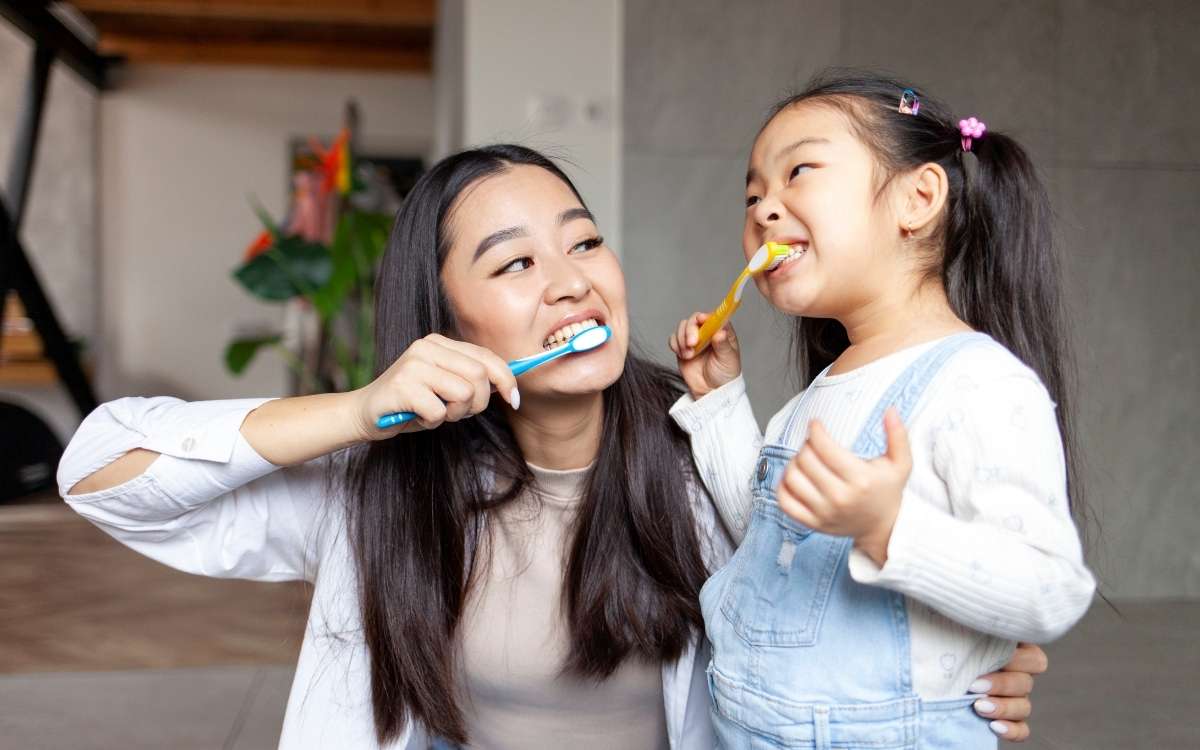
Children naturally imitate the behaviors they observe in their parents and caregivers, making your own dental hygiene habits a powerful teaching tool. When you brush your teeth alongside your child, you demonstrate that oral care matters for people of all ages, not just a rule imposed on kids. This shared activity transforms what could feel like a solitary task into quality family time and provides opportunities for you to model proper technique while supervising their efforts. Turn on music, make silly faces in the mirror, or create a friendly competition to see who can brush for the full two minutes recommended by dental professionals.
According to the American Dental Association, children need supervision and assistance with brushing until they develop the manual dexterity required for thorough cleaning, typically around age seven or eight. During these supervised brushing sessions, offer gentle corrections and positive reinforcement while ensuring they reach all surfaces of their teeth. When children encounter challenges with their dental care routine or need professional guidance, consulting with a pediatric dentist in Moreno Valley can provide specialized support tailored to young patients. Making brushing a collaborative rather than solitary experience reduces the likelihood that children will rush through it or skip it entirely when left unsupervised. Your active participation communicates that you value dental hygiene enough to prioritize it in your own routine, which speaks louder than any verbal instruction could.
4. Create Positive Associations and Rewards
Developing positive feelings around dental care increases the likelihood that children will maintain these habits independently as they mature. Implement a reward system that acknowledges consistent brushing without relying solely on material incentives that might lose their appeal over time. A simple sticker chart where children add a sticker after each successful brushing session provides visual progress tracking and a genuine sense of accomplishment. After accumulating a certain number of stickers, offer a special privilege like choosing a family activity or staying up an extra fifteen minutes on the weekend.
Praise and encouragement serve as powerful motivators that cost nothing but create lasting positive associations with dental care. When you notice your child taking initiative with their oral hygiene or improving their technique, specific compliments like “I noticed you spent extra time on your back teeth today” reinforce the desired behavior more effectively than generic praise ever could. Avoid using treats or sweets as rewards for brushing, as this creates a contradictory message about dental health. Instead, focus on non-food rewards and emphasize how clean and fresh their mouth feels after proper brushing, helping them associate the activity with pleasant sensations rather than external rewards alone.
5. Make Learning Interactive and Fun
Transforming dental education into an engaging experience rather than a lecture increases retention and enthusiasm among children. Create games that incorporate dental hygiene concepts, such as pretending their toothbrush is a superhero fighting cavity villains or counting how many teeth they can identify while brushing. Interactive apps designed for children often feature games that teach proper brushing duration and technique while entertaining kids with colorful graphics and achievement badges. Some electric toothbrushes designed for children include built-in timers and music that plays during the recommended two-minute brushing period, turning the task into a more dynamic experience that holds their attention.
Hands-on activities beyond the bathroom can reinforce dental health lessons in memorable ways. Conduct a simple science experiment demonstrating how acidic drinks affect tooth enamel by soaking an egg in various liquids overnight and observing the changes together. Craft projects like creating a large mouth with construction paper and having children practice flossing between paper teeth make abstract concepts more concrete and easier to grasp. Role, playing scenarios where children pretend to be dentists examining stuffed animals or dolls allow them to practice what they have learned while developing empathy for the dental professionals they will encounter during checkups.
Conclusion
Teaching children about dental hygiene requires patience, creativity, and consistent effort, but the investment pays dividends in their long-term health and confidence. By starting early, using appropriate tools and explanations, modeling good habits, creating positive associations, and making learning enjoyable, you set your children up for a lifetime of healthy smiles. Remember that every child develops at their own pace, and what works for one may need adjustment for another, so remain flexible and responsive to your individual child’s needs and preferences. The habits they form now will influence their oral health well into adulthood, making your current efforts one of the most valuable gifts you can give them.