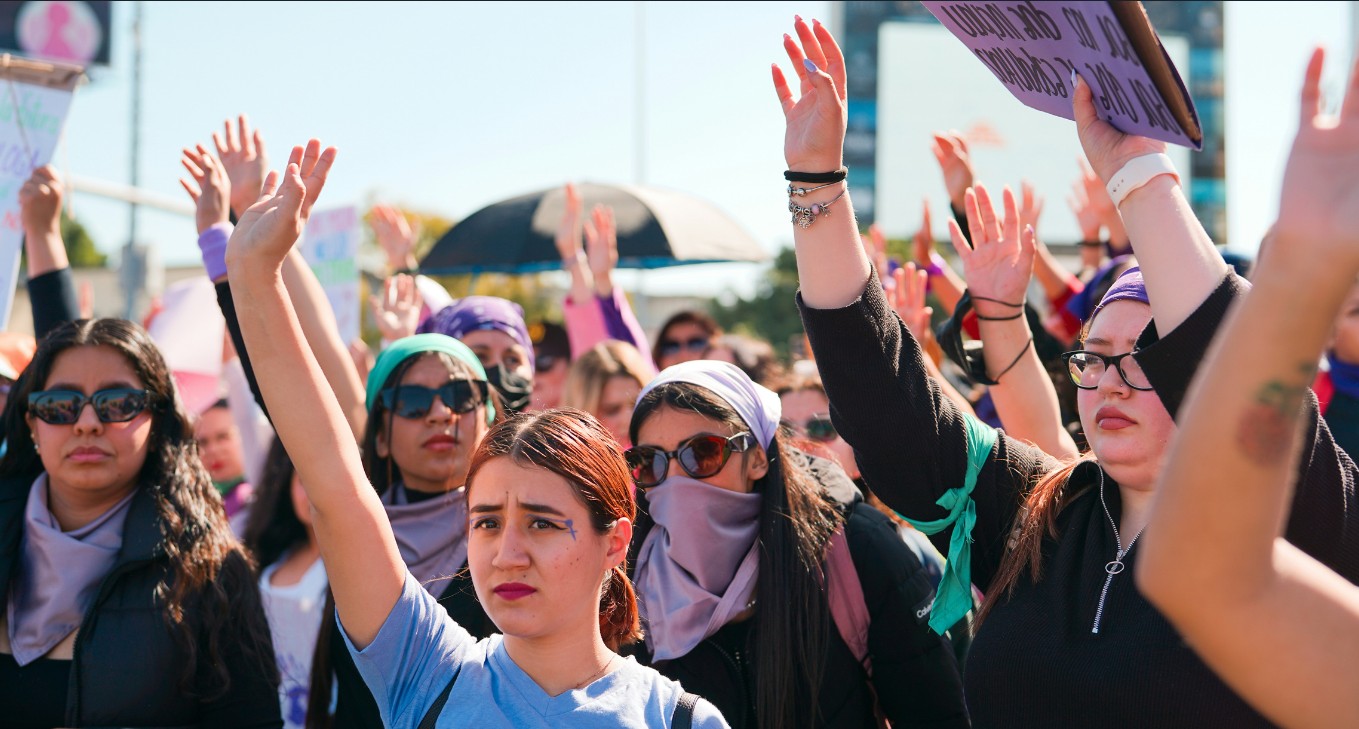
Across Latin America, youth networks have turned phones into megaphones and plazas into dashboards. The shift is not only stylistic. It changes how people recruit, plan, and frame demands. Movements now live at the intersection of crowded streets and crowded feeds, where speed and visibility can raise stakes fast—and where attention can fragment just as quickly.
Short-form video and group chats compress the path from a spark to a march. They also compress the path from rumor to panic. Many young organizers understand both dynamics, and they try to steer attention toward logistics and safety. Yet the same loops that boost reach can pull time away from slow work like coalition-building; one way to see the tension is to note how short-cycle rewards capture focus on this website, then ask what kinds of practices help movements convert fleeting views into durable capacity.
From campus to city: who lights the fuse?
Student groups have often lit the fuse in the region. In Chile’s 2019 uprising, coordinated fare evasion by secondary students set off a national wave of protest that accelerated into constitutional debate. Accounts from the period trace the sequence from school-led actions in Santiago’s metro to countrywide mobilization.
Colombia’s 2021 national strike likewise saw youth at the front, using digital tools to surface local grievances and to document clashes. Analyses of that period highlight the centrality of younger organizers in framing demands and maintaining energy across weeks of protest.
How platforms reshape mobilization
Platform logic favors speed, novelty, and clear visuals. That helps with turnout: a short clip can show where to meet, what to bring, and what route to avoid. It also helps with safety: live maps of first-aid posts and legal hotlines move quickly through networks. Research mapping political content on short-video platforms shows growing scholarly focus on how these tools shape discourse and exposure in elections and protests.
But the same mechanics carry risk. Claims that match an existing narrative travel farther than careful corrections. Bibliometric and case-study work now treats misinformation and disinformation as central variables in platform politics, including in fast-moving protest contexts.
Street tactics meet networked tactics
The hybrid repertoire has three layers:
- Rapid signaling. Short clips and text updates coordinate meeting points, supplies, and dispersal.
- Narrative framing. Personal testimonies and stitched videos translate policy talk into daily stakes, increasing empathy outside the core group.
- Evidence and oversight. Streams and archives document police conduct and counter false claims.
This interplay matters. In Chile, the move from a transport fare to broader social demands required frames that linked everyday costs to long-term inequities; networked media helped carry those frames beyond the capital.
Risks: manipulation, surveillance, and recruitment
Visibility cuts both ways. Public posts expose leaders and routines. Authorities and adversaries scrape open channels, map influencers, and seed confusion. A growing body of reporting warns that armed actors also exploit the same networks to recruit youth and normalize violence, raising a separate but related risk profile for young people online. UN-linked assessments and news coverage in 2025 flagged recruitment through popular platforms in Colombia, pressing companies for stronger moderation and better coordination with local actors.
Mitigations include ephemeral coordination channels, legal observer networks, and digital hygiene training, but these add overhead and are unevenly adopted. Local civil society reports emphasize the need for moderation policies that account for regional context and languages, not only global guidelines.
Inequality inside participation
Connectivity gaps still shape who shows up and who is heard. Urban youth near transit and campuses can turn out quickly; rural youth face travel, signal reliability issues, and higher exposure to reprisals. Even within cities, device and data limits constrain livestreaming and archiving. The result is an internal skew toward those who can afford to be visible. Movements counter this by pairing on-the-ground assemblies with summary posts, translating jargon into plain language, and setting up offline feedback channels at community centers. These choices do not solve structural barriers, but they broaden input.
Institutions that moved online
Public services and schools now push many interactions to portals. That shift can either amplify or dampen youth voice. When petitions, budget processes, or council sessions stream with accessible feedback tools, young people can intervene without travel. When forms time-out or require desktop browsers, participation narrows. This is where youth organizers often act as translators: converting bureaucratic steps into checklist posts, recording walkthroughs, and offering in-person clinics after marches to help people file requests or complaints.
Measuring impact without chasing vanity metrics
View counts seduce. Movements that chase them risk burnout. A better dashboard tracks conversion (from clip views to meeting attendance), retention (repeat participation across weeks), risk incidents (detentions, injuries), and policy touchpoints (hearings scheduled, amendments introduced). In Chile, the shift from street pressure to institutional change required a move into formal processes, culminating in a constitutional plebiscite cycle—even as outcomes remained contested. The lesson is that street energy must connect to timetabled venues to convert pressure into policy.
What strengthens youth movements now
Three practices recur where youth efforts sustain:
- Cadence and seasons. Clear cycles—rally, assembly, canvass, rest—help people plan and avoid exhaustion.
- Role rotation. Rotating who leads marshaling, media, legal coordination, and care tasks spreads skill and lowers gatekeeping.
- Open archives with consent. Storing evidence and how-to guides in accessible formats supports replication in other cities while protecting identities where needed.
- Bridging organizations. Partnerships with legal aid, teachers’ groups, neighborhood councils, and health workers add expertise and diversify the coalition’s face.
- Literacy about platforms. Teaching how ranking systems work, how to spot inauthentic amplification, and how to reduce metadata trails builds resilience. Emerging research underscores why this literacy is now part of basic civic skill.
Where scholarship is headed
Academic work is catching up to practice. Recent mappings of political content on short-video platforms track links among misinformation, mobilization, and governance gaps, while country studies examine how youth blend meme cultures with civic claims. Although much literature focuses outside Latin America, regional studies are expanding around Chile’s 2019 cycle and Colombia’s recent protests, filling in local dynamics and institutional responses.
The road ahead
Youth activism in Latin America evolves on two fronts at once. On the street, it must navigate policing, legal risk, and coalition management. Online, it must navigate ranking systems, narrative contests, and safety threats—some from crime and armed actors, some from poor design. Success depends on connecting the two fronts with routines that turn a viral clip into a durable structure: a committee, a clinic, a budget line, a course credit, or a hearing.
The question is less whether youth will keep showing up—they will—than whether their practices can keep converting attention into accountability. That means investing in training, rights-aware tech choices, and alliances that survive a news cycle. The region’s recent waves show both the potential and the limits of networked protest. When organizers treat feeds as staging grounds, not endpoints, the street still sets the tempo—and institutions must learn to respond on time.